Drones or UAV’s are becoming extremely popular in the world of aviation and commerce. These drones present a cheaper option for companies to carry out a number operational functions, which previously required airplanes and pilots.
These functions include aerial photography, surveying of large properties, game counting, anti-poaching and agricultural activities, for instance crop and animal surveillance just to name a few. However, there is also the recreational use of these drones, and this is where the concern lies within the South African context, which will be address later on.
South Africa is leading the way globally from a regulation point of view, with regulation taking effect from 1 July 2015 as compared to Australian and American regulation only being effective from 1 September 2016. The Regulations, Part 101, fall under the control of the SACAA (South African Civil Aviation Authority).
The other regulatory organisations having an influence on the South African Drone industry are:
• International Civil Aviation Authority (ICAO)
• Federal Aviation Administration (FAA)
The commercial and business use of drones are strictly regulated and is viewed in the same light as an aircraft. Therefore, the following regulations by the SACAA apply to commercially operated drones:
• Certificate of Registration is required
• Remote Pilot Licence issued
• Air service licence issued
• The pilot must be registered with a ROC (an organisation registered to under a RPAS Operators Certificate )
There are a variety of additional regulations and requirements imposed on a Drone commercial or business user.
For those operators and pilots that comply with the regulations of the SACAA insurers will offer the following insurances:
• Hull (damage to the drone including the gimble and payload, which usually are cameras or other data collection and or recording equipment) plus any additional spares and batteries used in the operation of the drone.
• Liability – covering injuries or damage to third parties whilst the drone is in flight.
• Personal Accident – covering the drone’s operator for injury caused by the drone whilst in operation.
• Cyber extension – covering the hacking or interception of digital data and extortion risks.
• Transit of the drone to and from the site of operation.
As stated above, the recreational use poses a big headache to the insurance companies as the operation of drones for recreational purposes is still governed by the same regulation stated above; however, the operators are naive to their responsibilities. The regulations require that a drone should not be used within:
• 50m of a road
• 50m of a person
• 50m of a building
• more than 500m of a pilot with an unrestricted line of sight.
If the above is looked at realistically, then every drone operation for recreational purposes will breach one or all of the above.
The end conclusion could be “if the law is broken then how can insurers insure a criminal act”.
Should you require insurance for commercial or business operations of a drone, please feel free to contact your local Indwe Insurance Consultant.

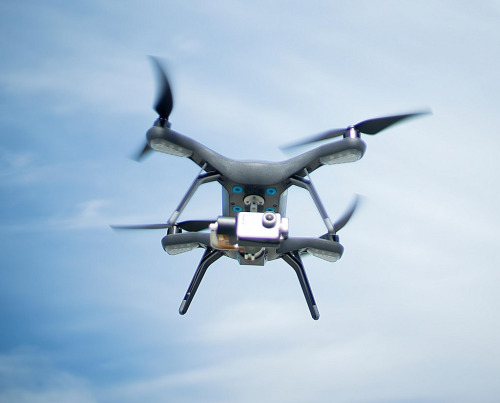
Drones vs Insurance
By
·