

Every April, South Africa’s roads become significantly more dangerous. It starts the same way every year. Schools close. Public holidays line up. Long weekends stretch into extended breaks. And suddenly, the country is on the move.
Cars are packed the night before. Early mornings begin on quiet streets that quickly turn into busy highways. Families head out across provinces, focused on the destination ahead.
What most people don’t plan for is everything around the journey – the road, the risk, and whether they’re actually prepared if something goes wrong.
At Indwe, we see this every year. Not just the increase in travel – but the increase in incidents, delays, and claims that follow.
Because travel risk isn’t only about the road. It’s about your vehicle, your home while you’re away, and whether your insurance is aligned to the reality of your trip.
In this guide, you’ll learn how to reduce travel risk before you leave, what to do if something goes wrong, and how to ensure your insurance works when you need it most.
What Is Holiday Travel Risk?
Holiday travel risk refers to the increased likelihood of accidents, theft, and insurance complications during peak travel periods due to higher traffic volumes, long-distance driving, and unoccupied homes. These factors change your risk profile.
It’s not just about getting from point A to point B – it’s about managing the increased exposure that comes with it.
Your exposure includes:
- Your vehicle condition
- Driver fatigue and decision-making
- Your home while you’re away
- Whether your insurance reflects your actual travel behaviour
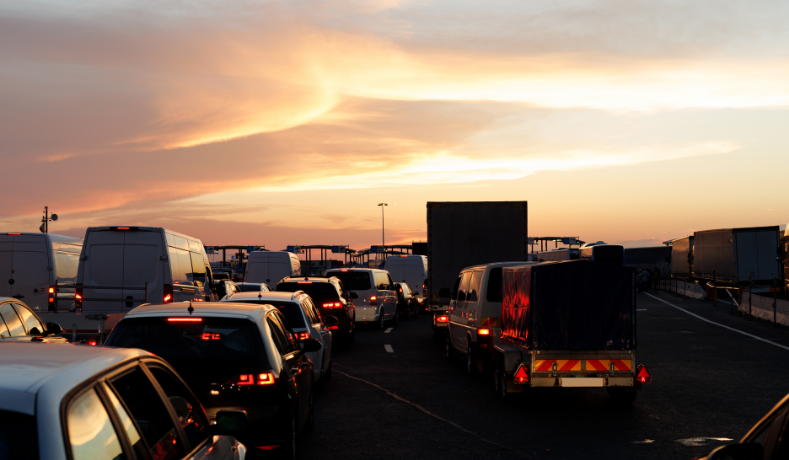
Why Travel Risk Increases During Holidays
Holiday travel creates a different risk profile compared to everyday commuting.
1. Increased Traffic Density
More vehicles on the road increase the probability of collisions, particularly on national routes and during peak departure times.
2. Longer Driving Distances
Drivers often cover extended distances in a single trip, increasing fatigue and reducing reaction time.
3. Divided Attention
Planning logistics, managing time, and travelling with family can lead to distraction behind the wheel.
4. Unoccupied Properties
Homes left empty for several days become more vulnerable to burglary and damage.
5. Insurance Gaps
The biggest risk in holiday travel isn’t the road – it’s the assumption that you’re fully covered when you’re not. Outdated valuations, or incorrect usage details can affect claims.
Pre-Travel Risk Checklist (Before You Leave)
There’s always a moment before a trip. The car is packed. The house is quiet. You’re about to leave. What you do in that moment matters more than most people realise.
Here are 4 things you can do to reduce risk.
- Vehicle Readiness
Before heading out, ensure your vehicle is properly prepared:
- Check tyres, including tread and pressure
- Test brakes, lights, and indicators
- Top up oil, coolant, and other fluids
- Confirm your licence and insurance are up to date
We often see situations where a simple mechanical issue – like a worn tyre – turns into something far more serious on a long-distance route.
- Driver Preparation
- Plan rest stops every 2–3 hours
- Avoid driving while fatigued
- Share driving responsibilities where possible
Fatigue remains one of the most underestimated risks during holiday travel.
- Home Security
While you’re away, your home becomes one of your biggest exposures:
- Activate alarm systems
- Inform your security company or a trusted neighbour
- Use timers for lights where possible
- Avoid posting travel plans in real time on social media
Download our Top Tips for securing your home while away
Download: https://www.indwe.co.za/indwe-blog/top-insurance-tips-for-securing-your-home-infographic/
- Insurance Check
Before you leave, take a moment to ensure your cover aligns with your plans:
- Confirm your policy is up to date
- Review excess amounts and limits
- Ensure asset values are accurate
- Check if roadside assistance is included
Many claim complications arise from misalignment between assumed and actual cover.
What To Do If You’re Involved in an Accident
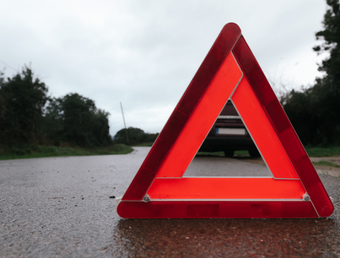
Knowing what to do immediately after an incident can directly affect your safety and insurance claim outcome.
At the scene:
- Stop immediately and switch on your hazard lights
- Check for injuries and call emergency services if needed
- Move to a safe location if possible
- Do not admit liability
Collect the right information:
- Driver details (name, ID, contact number)
- Vehicle registration numbers
- Insurance details (if available)
Document everything:
- Take photos of all vehicles involved
- Capture visible damage
- Photograph the surrounding area and road conditions
Additional steps:
- Obtain witness details if possible
- Report the incident within 24 hours and obtain a case number if required
We often see claims delayed or disputed simply because key information wasn’t collected at the time.
Travelling Abroad? The Risks Change
For those travelling internationally, the environment changes – and so does your exposure.
Medical emergencies, travel delays, and lost luggage can quickly become costly without the right protection in place.
Before travelling:
- Ensure comprehensive travel insurance is arranged before departure
- Understand your medical cover limits
- Familiarise yourself with emergency assistance services
- Keep your policy details accessible at all times
Travel insurance should not be treated as a formality. It is a critical part of your risk planning.
Real-World Risk: Where Insurance Often Falls Short
At Indwe, we often see claims complications arise not from the incident itself – but from gaps in policy alignment. Many claims challenges come down to misalignment between risk and cover.
Underinsurance
Assets insured below their actual value can result in reduced payouts.
Outdated Policies
Policies often reflect past circumstances, not current usage or asset values.
Assumptions About “Comprehensive Cover”
Comprehensive policies still include exclusions and limits that affect outcomes.
These issues typically only become visible at claim stage – when it’s too late to adjust cover.
Where Things Often Go Wrong
Across all areas of holiday travel, a clear pattern emerges. Most complications don’t come from the event itself – they come from a lack of preparation.
- A vehicle issue becomes an accident because it wasn’t checked.
- A claim becomes complicated because information wasn’t collected.
- A loss becomes expensive because cover wasn’t aligned due to lack of disclosure.
These are not unusual scenarios. They are situations we see regularly.
Insurance plays a critical role, but its value is only fully realised when it reflects how you actually live and travel.
Preparation reduces uncertainty. It allows you to respond with clarity, rather than react under pressure.
Key Takeaways
- Travel risk increases significantly during peak holiday periods
- Preparation reduces both physical and financial exposure
- Insurance outcomes depend on policy structure, not assumptions
- Accurate information and timely reporting are critical in claims
- Aligning cover with real-world travel plans improves protection
April holiday travel should be about the journey – not the setbacks that can come with poor preparation.
By taking a structured approach to vehicle readiness, home security, and insurance alignment, you reduce uncertainty and improve your ability to respond if something goes wrong. This is where informed advice makes a difference – ensuring your cover reflects how and where you actually travel.
Preparation isn’t about expecting the worst. It’s about ensuring you’re ready for it.
And when your risk strategy and insurance are aligned, you can travel with far greater confidence.
The right insurance starts with a conversation. It starts with Hello Indwe.
Indwe Risk Services is an authorised Financial Services Provider FSP 3425
Frequently Asked Questions
What should I check before a road trip in South Africa?
Before a road trip in South Africa, you should check your vehicle condition, plan your route, prepare for emergencies, and ensure your insurance is up to date.
Key checks include:
- Vehicle readiness (tyres, brakes, fluids)
- Driver readiness (rest, route planning, fuel stops)
- Emergency essentials (first aid kit, emergency numbers)
- Home security if you’ll be away
- Insurance cover aligned with your travel plans
Taking these steps helps reduce both safety risks and potential financial exposure during your trip.
Does car insurance cover long-distance travel?
Most car insurance policies in South Africa do cover accidents during holiday travel, provided the vehicle is used within the terms of the policy.
However, cover depends on:
- The type of policy (comprehensive, third-party, etc.)
- Whether the vehicle use matches what is declared
- Compliance with policy conditions (e.g. valid licence, roadworthy vehicle)
- Any applicable exclusions or excess amounts
If your policy details are outdated or misaligned with how you use your vehicle, it could affect your claim outcome. Reviewing your cover before travelling helps avoid unexpected gaps.
Is travel insurance necessary for local trips?
It may not always be essential, but it can provide valuable cover for disruptions, emergencies, and unexpected costs.
What is underinsurance?
Underinsurance occurs when assets are insured for less than their actual value, which can reduce claim payouts.
Why is it important not to admit liability at an accident scene?
Liability is determined based on a full assessment. Admitting fault prematurely can affect your claim.
What affects whether a claim is approved?
Claims are assessed based on policy terms, the details of the incident, and how closely the event aligns with the cover provided.