

As winter sets in, South African households use heaters, fireplaces, electric blankets, gas appliances and backup power systems more often. This increased use can raise the risk of household fires, especially where appliances are old, plugs are overloaded, wiring is faulty or fireplaces have not been maintained.
Home insurance may cover fire damage, but cover is not automatic in every situation. Insurers usually look at the cause of the fire, the policy wording, the condition of the property, the insured value and whether any exclusions or excesses apply.
This guide explains how fire-related claims may be assessed, what can influence a claim, and what homeowners should check before winter.
What Does Home Insurance Usually Cover After a Fire?
Home insurance is usually split into two parts: buildings cover and home contents cover. Buildings cover generally applies to the physical structure of the home, while contents cover applies to movable belongings inside the property.
The policy may respond to damage caused by the fire, smoke, heat or related emergency response, however, the claim outcome will still depend on the policy wording, excesses, limits and exclusions.
| Type of cover | What it generally relates to | Fire example |
| Buildings cover | The structure of the home | Walls, roof, ceilings, fitted cupboards |
| Contents cover | Movable belongings | Furniture, clothing, electronics |
| Optional add-ons | Specific risks or limits | Power surge, temporary accommodation |
What Insurers May Check Before Paying a Fire Claim
Insurers may consider:
- What caused the fire
- Whether the event was sudden and accidental
- Whether the home was properly maintained
- Whether electrical, gas or fireplace installations were compliant
- Whether the property was insured for the correct replacement value
- Whether exclusions such as wear and tear, gradual deterioration or faulty workmanship apply
- Whether the correct documents were submitted
Heater Fires: When May Home Insurance Respond?
A portable heater may cause fire damage if it overheats, falls over, or is placed too close to curtains, bedding, furniture or clothing.
If the fire is accidental and the relevant policy conditions are met, insurance may respond to the resulting damage. However, claims can become more complicated if the heater was used unsafely, left unattended, or connected to overloaded plugs or damaged extension cords.
Practical homeowner check:
Before winter, inspect heaters for damaged cords, avoid using multi-plug overloads, and keep heaters away from flammable materials.
Fireplace and Chimney Fires: Why Maintenance Matters
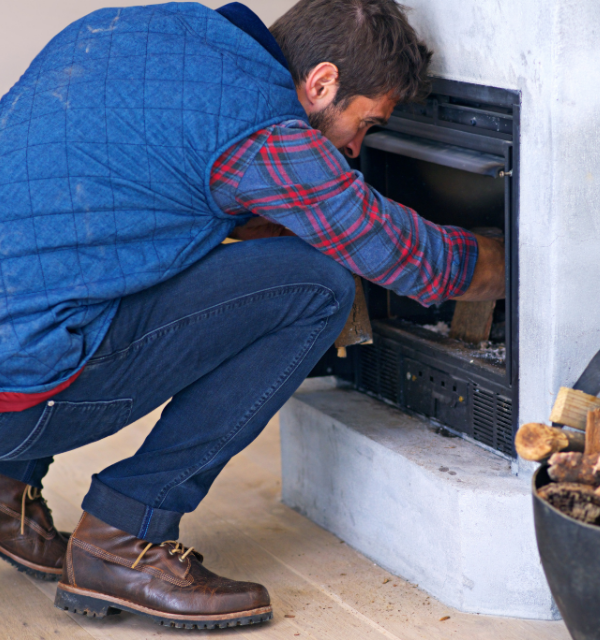
Fireplaces can create additional claims questions because they require ongoing maintenance. If a chimney, flue or surrounding structure has not been cleaned or inspected, an insurer may ask whether poor maintenance contributed to the damage.
Homeowners should keep records of chimney cleaning, fireplace inspections, repairs and compliance documentation where applicable.
Practical homeowner check:
Arrange professional cleaning or inspection before regular winter use, especially if the fireplace has not been used for several months.
Electrical Fires: Why These Claims Can Be More Complex
Electrical fires may start from old wiring, overloaded sockets, faulty appliances, damaged distribution boards or power-related incidents.
The important distinction is that a policy may treat the resulting fire damage differently from the faulty item that caused the fire. For example, damage to walls and contents may be assessed under fire cover, while the appliance, wiring fault, electrical breakdown or surge damage may be subject to different limits or exclusions.
Practical homeowner check:
Have flickering lights, tripping switches, burning smells, warm plugs or faulty wiring checked by a qualified electrician.
Pre-Winter Home Fire Risk Checklist
Before winter, homeowners should:
- Review buildings and contents sums insured
- Check whether fire is listed as an insured event
- Confirm exclusions, limits and excesses
- Check whether surge cover is included or optional
- Inspect heaters, plugs and extension cords
- Avoid overloaded sockets
- Service fireplaces, chimneys and gas appliances
- Keep flammable items away from heat sources
- Test smoke alarms
- Save maintenance and compliance documents
Fire damage can happen quickly, but the outcome of a home insurance claim often depends on details that are easy to overlook before winter. Homeowners should not wait until something goes wrong to understand their cover. Reviewing buildings and contents sums insured, checking exclusions and excesses, keeping maintenance records, and making sure electrical, gas and fireplace installations are safe can help reduce both fire risk and claim uncertainty.
A fire claim should not be the first time you read your policy closely. The right insurance starts with a conversation. It starts with Hello Indwe: https://indwe.co.za/
Disclaimer: The information in this blog is for general information purposes only and does not constitute advice.
Indwe Risk Services is an authorised Financial Services Provider FSP 3425
Frequently Asked Questions
What Could Impact a Fire Claim?
Useful documents may include:
Electrician, gas installer or chimney inspection reports
Photos or videos of the damage
Completed claim form
Policy details
Proof of ownership
Invoices or receipts
Repair or replacement quotes
Maintenance records
Compliance certificates
Fire department or incident reports
What exclusions should homeowners look for?
Common areas to check include wear and tear, gradual deterioration, lack of maintenance, faulty workmanship, non-compliant installations, power surge limitations, and specific electrical exclusions.
What is the difference between buildings cover and contents cover?
Buildings cover generally relates to the structure of the home, while contents cover relates to movable possessions inside the home. A fire may affect both, so both sections should be reviewed.
What documents are needed for a fire insurance claim?
Homeowners may need photographs or videos of the damage, policy details, a claim form, proof of ownership, invoices, repair or replacement quotes, maintenance records, compliance certificates, and any fire department or incident reports.
Should homeowners review their insurance before winter?
Yes. With winter comes increased use of heaters, fireplaces, electrical appliances, and gas devices, making it an excellent time to review cover limits, exclusions, excesses, contents values, and maintenance requirements.