

Most businesses know the routine of insurance renewal. The premium changes, the policy rolls forward, and focus returns to running the business.
While that cycle feels efficient, it can also be risky.
Your business today is not the same business it was twelve months ago. Assets grow, stock fluctuates, contracts change, and new risks appear through expansion, regulation, technology, or external disruption. When insurance renews without a review taking place, gaps do not announce themselves up front. They surface later, often during a claim, when the impact is far harder to manage.
Renewal should not be seen as a confirmation that your business is protected.
It is a checkpoint that determines whether your cover still reflects how your business actually operates today.
Here are six areas every business should review before signing off on renewal, and why it matters that you do.
1. What Has Changed in Your Business Over the Past Year?
Change drives risk, and this is always the starting point of a meaningful renewal conversation.
New services, new contracts, additional staff, operational shifts, or expansion into new locations all alter exposure. Even changes that feel incremental can affect how insurers assess risk and how claims are treated.
Insurance needs to evolve as your business evolves. Carrying last year’s assumptions into a new operating reality is where misalignment begins.
2. Are Your Assets Properly Valued Right Now?
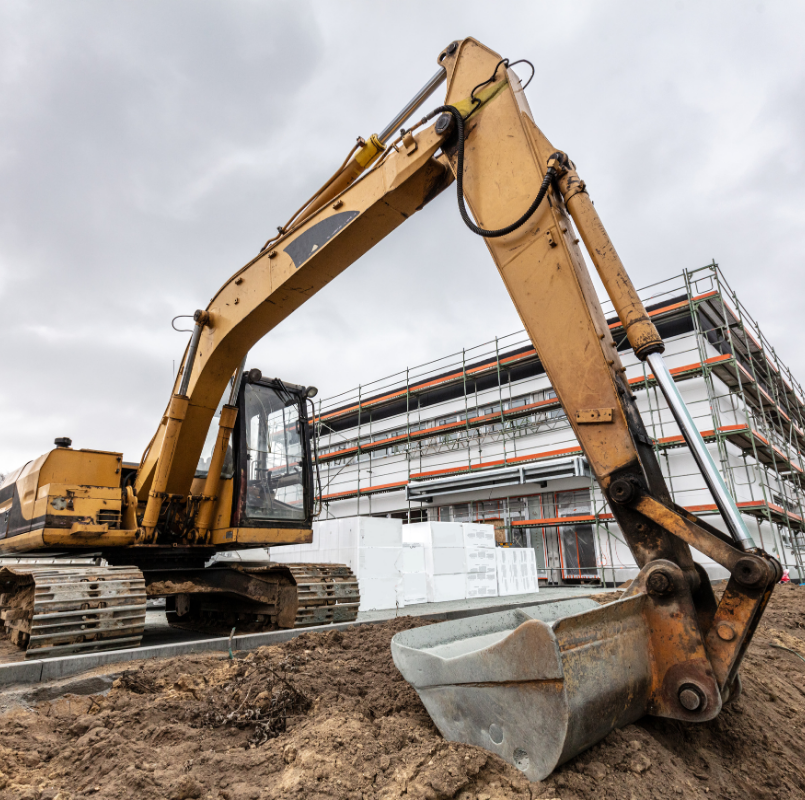
Underinsurance remains one of the most common issues uncovered at renewal.
Building replacement values often do not account for current construction costs. Machinery and equipment may no longer reflect updated pricing, import costs, or currency movements. Stock values frequently do take seasonal increases or growth in turnover into consideration.
If values are understated, the average clause may apply at claim stage, reducing payouts proportionally, even when a claim seems straightforward. In an inflationary environment, the chances of a valuation becoming outdated are more likely each year a review is skipped.
Renewal is the moment to challenge these numbers, instead of carrying them forward by default.
3. Has Your Turnover or Responsibility Increased?
While growth is positive, failing to adjust cover as your business scales increases risk.
Rising turnover can affect liability exposure, stock levels, and business interruption calculations. Taking on larger contracts or greater responsibility can introduce obligations that your existing cover wasn’t designed for.
As your business grows, your exposure grows with it. Renewal time lets you recalibrate your protection to keep up.
4. If Operations Stopped Tomorrow, How Long Would Recovery Really Take?
Business interruption cover is often misunderstood and underestimated.
Many businesses expect operations to resume far sooner than what is realistic. Repairs take longer. Suppliers experience delays. Power instability and weather events extend downtime. Suddenly, an interruption stretches into weeks or months, while the policy only allowed for a short recovery period.
At renewal, indemnity periods and gross profit calculations should be reviewed against how the business earns revenue today, not how it operated years ago. Changes in cost structures or operating models can affect how a claim is calculated.
This is the moment to test assumptions, while there is still time to adjust them.
5. Are You Fully Disclosing How the Business Operates?
Insurance relies on accurate disclosure. This is often where problems begin.
Operational changes, increased turnover, new products or services, changes in security measures, or shifts in storage volumes should all be disclosed at renewal. Businesses working on third-party premises or signing new contracts may also be assuming additional liability without realising it.
Even unintentional non-disclosure can affect a claim. Renewal provides the opportunity to correct assumptions before they become consequences.
6. Where Are You Most Exposed Right Now?
This is generally the most valuable question in a renewal review,
as multiple factors can contribute to exposure.
Relying on key suppliers or individuals introduces concentration risk. Cyber and data exposure affects businesses of all sizes. Liability risks evolve as operations change. Environmental factors, civil commotion, and supply chain disruption can materially affect continuity, depending on sector and location.
Insurance should protect what matters most to your business, not only what appears on a schedule. Renewal is the right time to identify vulnerabilities early, while options still exist.
Why a Professional Risk Review Matters

A structured renewal review turns insurance from an administrative exercise into a strategic one.
Indwe conducts in-depth policy analysis to identify gaps, confirm accurate valuations, and ensure correct disclosure. Cover is benchmarked against current market conditions, and insurers are engaged where negotiation is required. Risk engineering input helps identify operational vulnerabilities and improve loss prevention over time.
When claims arise, Indwe acts as an advocate, guiding clients through the process and protecting their position. This is the difference between holding a policy and working with a risk partner.
Business insurance renewal is not a routine task. It is a strategic opportunity to strengthen resilience, protect operations, and support long-term stability.
Engaging early allows space for proper review and informed decisions, rather than rushed acceptance. Before signing off on your renewal, ensure your cover reflects your current reality.
Speak to Indwe to arrange a professional review with a trusted advisor tailored to your business’s specific risks and policy terms.
https://indwe.co.za/contact.php
Indwe Risk Services is an authorised Financial Services Provider FSP 3425