

If we had to choose one word to describe 2025, it’s uncertainty. From erratic weather patterns and digital breakdowns to shifting economic pressures and global conflict, 2025 risk and resilience in South Africa has been tested like never before. This year has shown how quickly disruption can spread across borders and influence industries.
According to the World Economic Forum’s Global Risks Report 2025, over half of global experts expect continued turbulence in the next two years. That figure rises as high as 62% over the next decade.
For South Africans, this reality is not theoretical – it is lived experience. Our economy, our infrastructure, our digital systems, our homes, our businesses, and our food supply all feel the shockwaves of global instability in real time.
But amid the disruption, 2025 also revealed something else: preparedness works. Individuals and businesses that embraced foresight, invested in risk understanding, and partnered with trusted advisors weathered the uncertainty with far greater stability.
This is the foundation of Indwe’s approach: resilience is not built by avoiding risk – it’s built by anticipating it.
1. Climate volatility: Not just weather, but a wake-up call
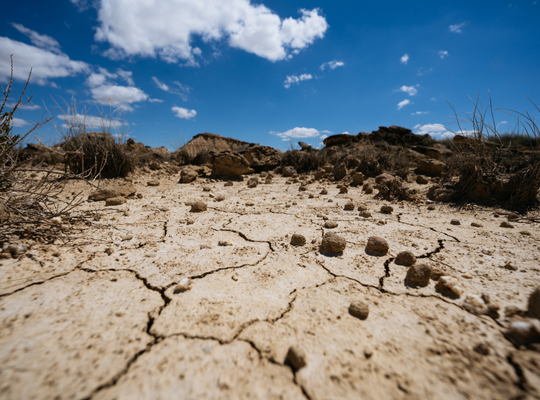
Extreme weather events ranked second on the WEF’s short-term risk list, and first on its 10-year outlook. South Africans didn’t need a report to see this one coming.
In 2025 alone:
- Several provinces faced severe drought conditions.
- Floods disrupted communities and logistics routes.
- Wildfires once again scorched parts of the Western and Northern Cape.
- Agricultural yields fluctuated sharply, impacting food prices and supply chains.
In this environment, homes, farms, transport fleets, and commercial infrastructure faced heightened exposure.
For many of our clients, climate-related incidents were operational emergencies. Yet, those who had recently reviewed their valuations and updated their policies were able to recover faster and with less disruption. Resilience here came down to foresight, because insurance wasn’t the fallback plan, it was the whole strategy.
2. Digital disruption and misinformation: Hidden threats in plain sight
The WEF listed misinformation and disinformation as the top global risk over the next two years. For South Africans, this extended further than being an online nuisance. It played out in phishing scams, fraudulent claims, and rising cyber attacks that put individuals and businesses at real financial risk.
Smaller businesses in particular faced growing exposure. Many didn’t realise just how vulnerable their operations were until systems failed or client data was compromised. But those who had planned ahead with cyber insurance, staff training, and clear protocols stayed protected.
It’s not only about having the right tools. It’s about knowing what’s out there, and how to prepare for it. That’s where expert advice becomes essential.
3. Economic pressure: The slow burn of underinsurance
While the WEF placed economic instability slightly lower in its long-term risk outlook, the real-world impact in South Africa was hard to miss. Inflation, load shedding, supply chain constraints, and fuel hikes continued to pressure household and business budgets alike.
One risk that gained ground is underinsurance. When asset values change but your policy doesn’t, the result is a protection gap, and that gap can end up costing you a lot.
This year, we saw firsthand how routine reviews made the difference. Clients who updated their valuations or adjusted their portfolios avoided nasty surprises when they needed to claim. Those who hadn’t, often faced shortfalls.
In tough times, small oversights can have big consequences. Resilience, again, came down to awareness and action.

4. Interconnected risks: Why no one does this alone
If 2025 proved anything, it’s that risks don’t arrive in neat categories. Climate disruption feeds into economic stress. Digital breakdowns affect physical operations. A fire in one region disrupts a supply chain halfway across the country.
This interconnectedness was one of the WEF report’s strongest messages, and it’s something Indwe clients navigated daily.
The most resilient businesses and households we worked with weren’t just those with comprehensive cover. They were the ones who saw insurance as part of a bigger picture. They had advisors. They asked questions. They acted on recommendations. They saw risk as something to prepare for, not just something to recover from. That partnership model remains central to how Indwe works. You don’t have to manage this complexity alone. In fact, you shouldn’t.
5. Looking ahead: Turning risk into readiness in 2026

What will 2026 bring? Climate adaptation will need to become a priority, especially for asset-heavy sectors like agriculture, logistics, and property. Digital safeguards must be stronger, smarter, and more integrated.
In a world of accelerating complexity, the value of trusted guidance, objective expertise, and proactive partnership of having the right insurance advisor is rising. The ability to make informed decisions, grounded in expert advice, will be the defining marker of resilience. If 2025 was a stress test, 2026 could be a blueprint.
Resilience isn’t luck. It’s preparation.
The past year reminded us that risk is inevitable, but the fallout isn’t. The difference lies in what you do before things go wrong. Whether you’re protecting your business, your family, or your assets, the smartest strategy starts early.
At Indwe, we’ve seen how proactive conversations lead to powerful outcomes. If you haven’t reviewed your cover, talked to an advisor, or planned for the year ahead, now is the time.
In uncertain times, the best insurance strategy starts with a conversation. It starts with Hello Indwe.
Visit: www.indwe.co.za
Or call now: 0860 13 13 20
Indwe Risk Services is an authorised Financial Services Provider FSP 3425